Kailash Mansarovar, nestled in the remote Trans-Himalayan region of Tibet, is one of the most sacred and revered pilgrimage sites in the world. For centuries, it has drawn devotees from Hinduism, Buddhism, Jainism, and the Bon tradition, each viewing Mount Kailash and Lake Mansarovar as a center of spiritual power and cosmic significance.


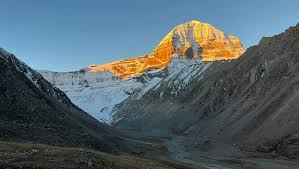

Mount Kailash, shaped like a giant pyramid, is believed to be the earthly abode of Lord Shiva in Hindu mythology, the spiritual axis of the universe in Buddhism, and a site of immense sanctity across religions. Pilgrims undertake the challenging Kailash Parikrama — a 52-kilometer circumambulation of the mountain — considered a profound act of devotion that cleanses sins and leads to liberation (moksha).
Lake Mansarovar, located nearby, is one of the highest freshwater lakes in the world, revered as a sacred site for ritual bathing and meditation. The pristine blue waters surrounded by towering Himalayan peaks create a tranquil setting for reflection and spiritual renewal.
The journey to Kailash Mansarovar is both physically demanding and deeply transformative, involving high-altitude trekking, breathtaking landscapes, and encounters with Tibetan culture and Buddhist monasteries. It’s not just a travel experience but a pilgrimage that touches the soul, offering peace, insight, and a connection to the divine.
Whether you seek spiritual enlightenment, cultural immersion, or an epic adventure, the Kailash Mansarovar pilgrimage remains a once-in-a-lifetime journey that profoundly impacts all who undertake it.